In the evolving world of industrial automation and digital transformation, the convergence of real-time monitoring and IoT-driven sensors is rewriting the rulebook for how companies track operations, enforce safety, and ensure peak asset performance. Whether on the factory floor, in logistics chains, at construction sites, or across vast energy grids, intelligent sensing is no longer a future luxury—it’s a present-day necessity.
This article explores how businesses are integrating smart IoT systems to achieve continuous visibility, reduce risks, and boost productivity like never before.
The Age of Smart Surveillance Begins
Across industries, the demand for real-time monitoring is surging. With sensors embedded into machines, vehicles, and infrastructure, companies can instantly detect abnormal behaviors, predict failures, and respond to incidents as they unfold. Gone are the days of scheduled maintenance and reactive safety audits. Today, systems think, sense, and respond.
Operations Under a Digital Microscope
Modern operational excellence depends on precision. IoT sensors provide granular insights into every process—be it assembly lines, material flow, or environmental control.
Example: Smart Manufacturing
In manufacturing units, connected devices track temperature, pressure, vibration, and energy use. These variables feed into a centralized dashboard offering real-time monitoring of production health and bottlenecks.
Safety Systems Get a 360-Degree Upgrade
Workplace safety is another critical area where IoT makes a measurable impact. With wearable tech, environmental sensors, and automated alerts, organizations are creating a safer working environment.
Wearables for Workforce Safety
Smart helmets and vests now monitor fatigue, location, air quality, and even posture—alerting supervisors in real time about potential risks.
Geofencing and Hazard Zones
IoT-enabled geofencing prevents workers from entering restricted or dangerous areas by triggering alerts and access controls.
Asset Performance—From Reactive to Predictive
Tracking asset usage and health through real-time monitoring is shifting maintenance from a time-based to a condition-based model.
Predictive Maintenance with Sensor Feedback
IoT sensors embedded in turbines, HVACs, pumps, and engines deliver continuous diagnostics. This allows technicians to intervene before failures occur, reducing downtime and repair costs.
Extending Asset Life
By collecting and analyzing usage data, companies are able to fine-tune load profiles, optimize run-time, and extend asset lifespans.
The Power of Edge Intelligence
Edge computing complements real-time IoT systems by processing data locally—near the source—rather than pushing everything to the cloud.
This not only reduces latency but also ensures immediate responses in time-sensitive environments like power grids or autonomous vehicles.
Energy & Utilities: Monitoring Grids in Motion
In the utilities sector, grid assets, substations, and renewable infrastructure are now monitored through smart sensors that detect outages, overloads, and tampering attempts.
Renewable Energy Gets Smarter
Wind turbines and solar panels are equipped with IoT sensors that monitor output, orientation, weather conditions, and grid connectivity to maximize uptime.
Logistics: Real-Time Visibility Across the Chain
From warehouses to last-mile delivery, real-time monitoring of cargo temperature, humidity, movement, and route compliance ensures the integrity of goods and supply timelines.
Cold Chain Gets a Chill Check
Pharmaceutical and food industries depend heavily on temperature-sensitive logistics. IoT sensors send continuous feedback to ensure compliance with storage conditions.
Construction Sites Go Smart
In construction, job site safety, equipment usage, and workforce movements are being revolutionized.
Tracking Heavy Equipment
Sensors track fuel use, idle time, and mechanical stress on cranes, dozers, and excavators. Alerts are triggered when thresholds are breached.
Worker Location Monitoring
IoT badges and GPS trackers ensure that team members are accounted for during emergencies, and also help manage attendance and productivity.
Integrating IoT with AI: The Predictive Advantage
AI algorithms make real-time monitoring even more powerful by learning from patterns. Anomalies, inefficiencies, or safety breaches are predicted before they occur.
Anomaly Detection
Through historical trend analysis, AI flags unusual sensor readings and suggests preventive action, which is particularly useful in oil & gas or manufacturing.
Centralized Control Panels: The Eyes of the Network
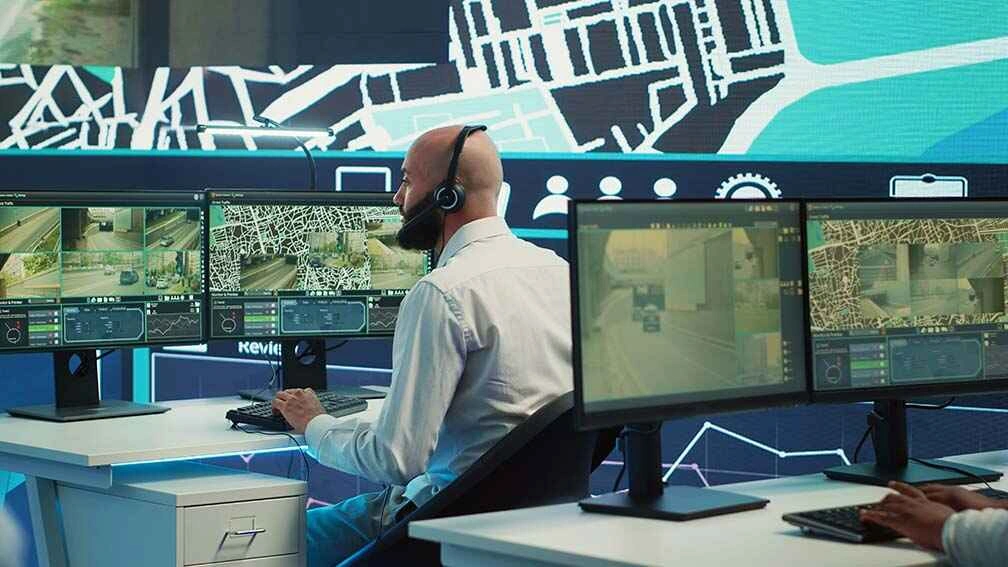
Platforms like www.u3core.com are enabling companies to manage hundreds—or even thousands—of data points from a unified interface. These platforms simplify visualization, alerting, and decision-making, and support API integrations with ERP and MES systems.
Rather than just collecting data, U3Core enables actionable insights, policy automation, and enterprise-grade scalability, making it a strong example of IoT analytics done right.
Challenges Along the Way
While the benefits are clear, implementing real-time monitoring at scale poses challenges:
- Data Overload: Sifting through terabytes of sensor data requires robust filtering and processing.
- Cybersecurity Risks: Every connected device is a potential entry point for malicious actors.
- Integration Complexities: Legacy systems often require significant effort to interface with modern IoT platforms.
However, these challenges are being addressed with stronger protocols, edge computing, and vendor-agnostic middleware solutions.
Industries That Cannot Wait
While all sectors benefit from IoT, some are undergoing urgent transformations:
- Mining: Real-time tracking of vehicles, structural stability, and air quality in underground environments.
- Healthcare: Asset tracking and patient monitoring via IoT wearables and equipment tags.
- Agriculture: Soil moisture, nutrient content, and pest tracking through distributed smart sensors.
The Road Ahead: Interconnected Everything
The future promises a fully interconnected world where human oversight is augmented by intelligent, self-reporting systems.
What’s coming next?
- Digital Twins: Real-time virtual replicas of physical assets.
- 5G-Driven Monitoring: Ultra-low latency transmission for mission-critical systems.
- Autonomous Systems: Machines that diagnose and correct themselves without human intervention.
Conclusion: Act Now or Fall Behind
The real-time monitoring revolution is already here. Businesses that delay implementation risk operational inefficiencies, regulatory non-compliance, and lost competitiveness.
Platforms like U3Core are designed to help businesses overcome these hurdles by offering plug-and-play modules, AI-enhanced analytics, and scalable deployment. For any organization looking to stay ahead, embracing sensor-driven intelligence is not optional—it’s essential.
Visit www.u3core.com to explore how you can make real-time monitoring a core pillar of your digital transformation strategy.