
AI-Powered Analytics Forecast Trends and Highlight Potential Risks for Proactive Action
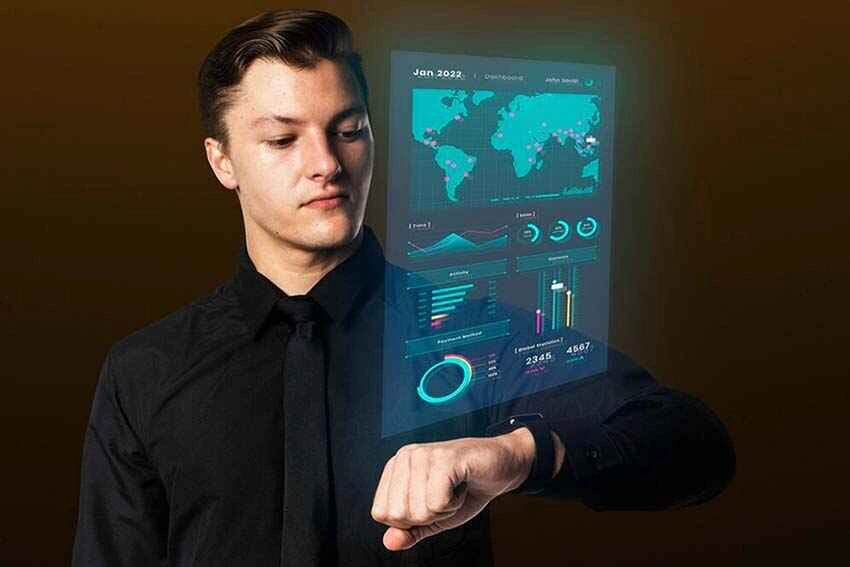
In a fast-paced global economy, foresight has become more than just an advantage—it’s a necessity. Businesses, governments, and institutions are increasingly leaning on AI-powered analytics to navigate the complexities of modern data landscapes. With the rise of machine learning and artificial intelligence, a new frontier is emerging: one where predictive insights not only signal upcoming trends but also flag potential risks before they become disruptions.
The Rise of Predictive Intelligence in Business Strategy
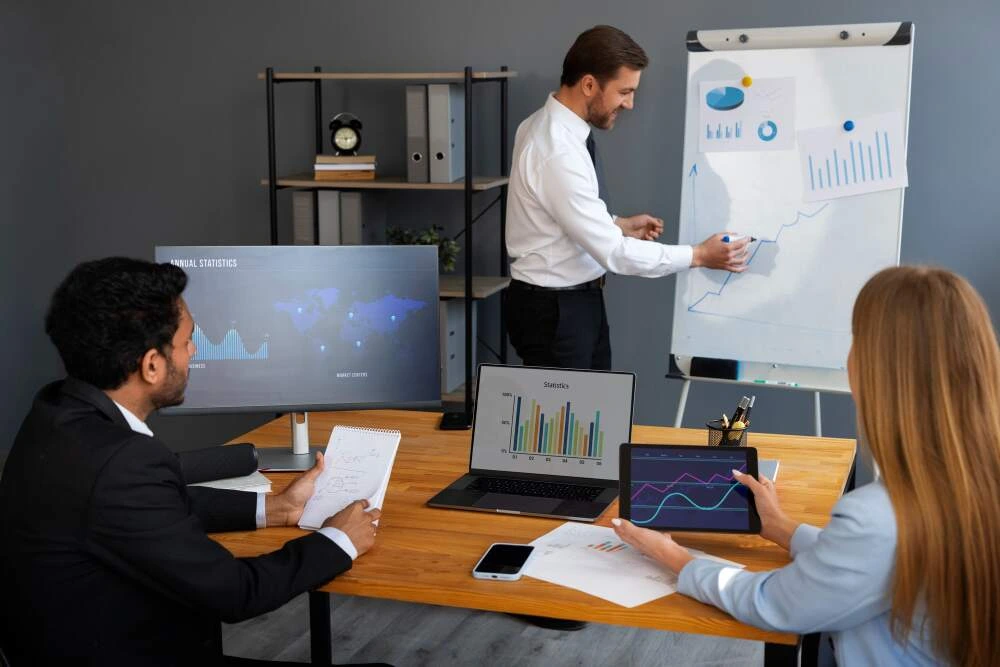
Predictive analytics is no longer a speculative technology used by niche players. It has evolved into a mission-critical tool embraced by enterprises of all sizes. The ability to predict future scenarios based on historical and real-time data has changed how businesses operate, from supply chain logistics to consumer behavior forecasting.
What Are Predictive Insights?
At the core of this transformation is the concept of predictive insights. These are data-driven forecasts generated by sophisticated algorithms that detect patterns, anomalies, and emerging trends across various domains. Unlike traditional analytics, which are retrospective, predictive insights empower leaders to make proactive decisions.
From Data to Decisions: The Shift Toward AI-Powered Analytics

Until recently, data analytics required vast teams of analysts to sift through spreadsheets and dashboards. But now, AI-powered analytics platforms are doing the heavy lifting. These systems leverage neural networks, natural language processing (NLP), and real-time data ingestion to deliver insights faster and with greater accuracy.
Sector-Wise Adoption: From Finance to Agriculture
Industries across the board are adopting AI-powered analytics:
- Financial institutions use predictive models to prevent fraud and assess credit risk.
- Retailers forecast seasonal demand and optimize inventory.
- Healthcare leverages AI to predict patient deterioration and reduce readmission.
- Agritech companies apply predictive models to monitor crop health and forecast yields.
How Predictive Insights Minimize Risk Exposure

One of the most impactful applications of predictive analytics is risk management. AI-powered platforms flag anomalies in operational data, enabling quick action to avoid service disruptions, compliance breaches, or reputational harm. Whether it’s identifying a vulnerability in cybersecurity or forecasting a dip in customer satisfaction, predictive insights have become indispensable.
U3Core: A Platform Bringing Predictive Insights to Life
Platforms like www.u3core.com are playing a pivotal role in making AI-driven intelligence accessible. U3Core, built on modular AI and vision-based architecture, integrates seamlessly with industrial systems and enterprise data lakes. It empowers decision-makers with automated alerts, actionable dashboards, and visual summaries of projected scenarios—all rooted in real-time predictive insights.
AI-Powered Analytics in Urban Planning and Smart Cities
In urban development, predictive insights assist city planners in anticipating population surges, traffic congestion, and energy demands. These forecasts enable municipalities to allocate resources more effectively and implement infrastructure upgrades before problems spiral.
Supply Chain Management Gets a Smart Makeover
Global supply chains have seen frequent disruptions — from pandemics to political unrest. AI-powered analytics, through continuous data monitoring, help companies identify supply risks, track shipments, and predict procurement delays, enabling proactive mitigation.
Detecting Early Warning Signs in Cybersecurity
The cybersecurity domain has found a powerful ally in predictive analytics. AI systems now detect patterns of irregular access, phishing attempts, or data breaches before they occur. Machine learning models train on past attack data to recognize even the subtlest signs of an impending threat.
Predictive Maintenance: From Factories to Fleets
Mechanical breakdowns often come with hefty repair costs and downtime. Predictive insights help identify wear-and-tear indicators through sensor data, allowing maintenance teams to schedule service before a failure happens. This is revolutionizing asset-heavy sectors like manufacturing, aviation, and logistics.
Personalized Experiences in Retail and E-commerce
By analyzing customer data, AI can predict future purchases, recommend relevant products, and customize marketing messages. Platforms driven by predictive insights enable businesses to create hyper-personalized user journeys, increasing both engagement and conversion.
Sustainability Through Forecasting Environmental Impact
AI-powered analytics also contribute to sustainability efforts by predicting environmental impact and energy consumption patterns. U3Core, for instance, includes modules that help facilities optimize energy use and reduce emissions, aligning operations with ESG (Environmental, Social, Governance) goals.
Human-Centric Design for Non-Technical Users
The democratization of data is another benefit of AI-powered analytics. Platforms like U3Core are designed for both technical and non-technical users. With natural language queries and intuitive interfaces, users can ask questions like, “What will be our production shortfall next month?” and receive instant predictive insights, often visualized through heat maps or trend graphs.
Challenges and Ethical Considerations

Despite the promise, AI-powered analytics are not without challenges. Algorithmic biases, data privacy concerns, and transparency in model decisions remain important issues. As predictive insights become embedded in daily operations, establishing ethical AI governance frameworks is critical.
The Future of Predictive Insights in Decision-Making
As AI continues to evolve, predictive insights will become even more integral to strategic decision-making. Emerging technologies such as federated learning, edge computing, and explainable AI will enhance the depth and reliability of forecasts.
Moreover, integrations with IoT devices, like smart sensors and surveillance systems, will bring in richer, more diverse datasets. This will make predictive models more nuanced and adaptable to real-time conditions.
Real-World Impact: A Case for U3Core
Organizations implementing U3Core have reported significant improvements in efficiency, risk management, and operational forecasting. Whether it’s in managing a telecom network or optimizing building energy consumption, the platform’s ability to consolidate vast data sources and generate clear predictive insights makes it a compelling solution for forward-thinking enterprises.
Conclusion: A Paradigm Shift from Reactive to Proactive
In today’s volatile world, reacting to events is no longer sufficient. Businesses need foresight, flexibility, and intelligent tools to stay competitive. AI-powered analytics—especially those offering deep predictive insights—are transforming how decisions are made, risks are mitigated, and opportunities are seized.
As platforms like www.u3core.com continue to enhance their capabilities, the future looks promising. Predictive analytics isn’t just about numbers—it’s about empowering humans with the clarity and confidence to act before it’s too late.